


How to Choose the Right Magnetic Wireless Charger
You set your phone on a charging pad at night, only to wake up to a battery that barely increased. Or you fumble with the cord in the dark, missing the port entirely. A magnetic wireless charger solves these problems by snapping your phone into perfect alignment every time. No more searching for the right position or worrying about a loose cable connection.
This guide walks through everything you need to know about how to choose the right magnetic wireless charger, from understanding the technology to matching the right model to your device and routine.
What Is a Magnetic Wireless Charger?
A magnetic wireless charger is a charging pad or stand that uses built-in magnets to snap your phone into the right charging position. Unlike a standard flat Qi pad which requires you to guess where to place your phone, a magnetic charger locks into place automatically. The magnets line up the charging coils inside the charger and your phone so power flows smoothly and without interruption.
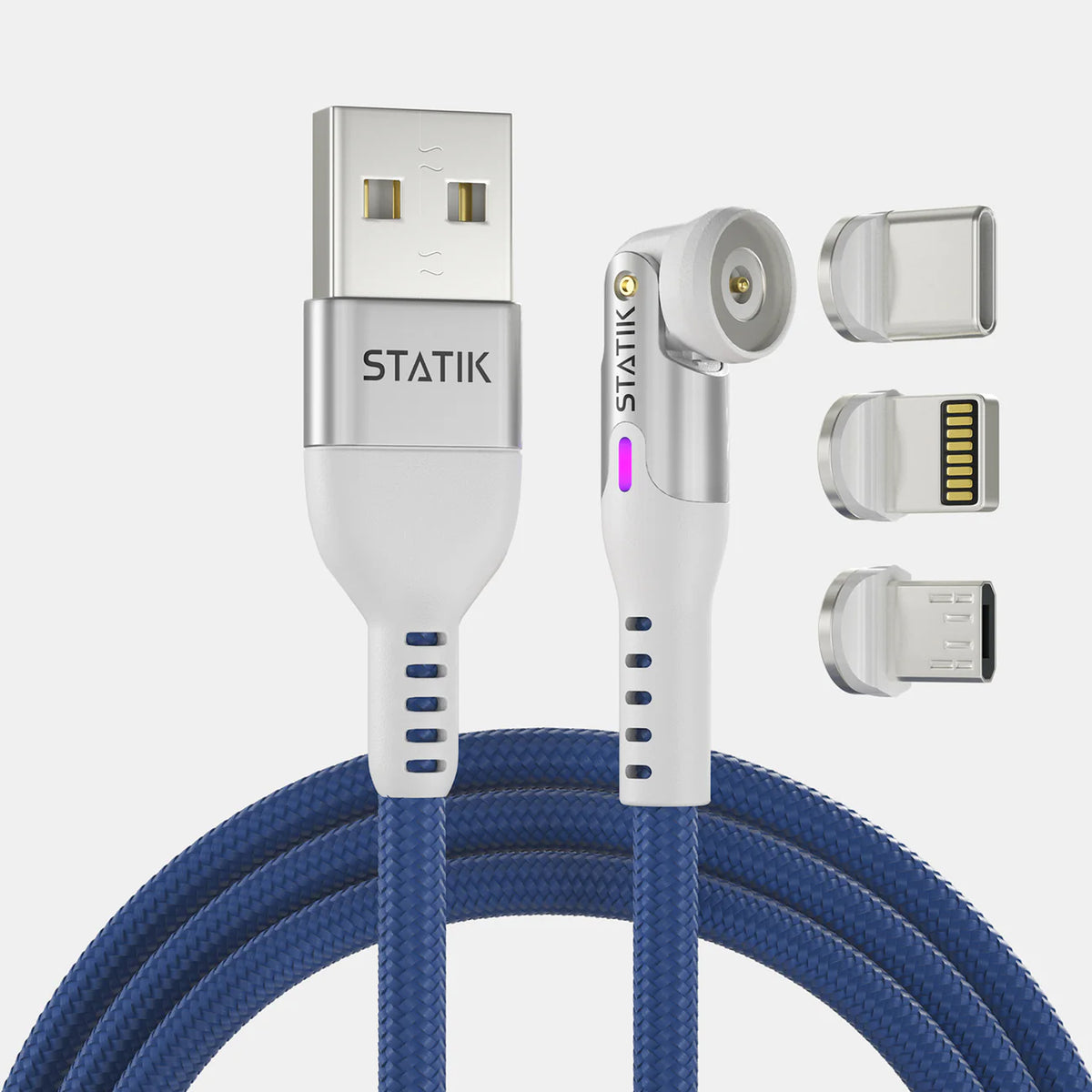
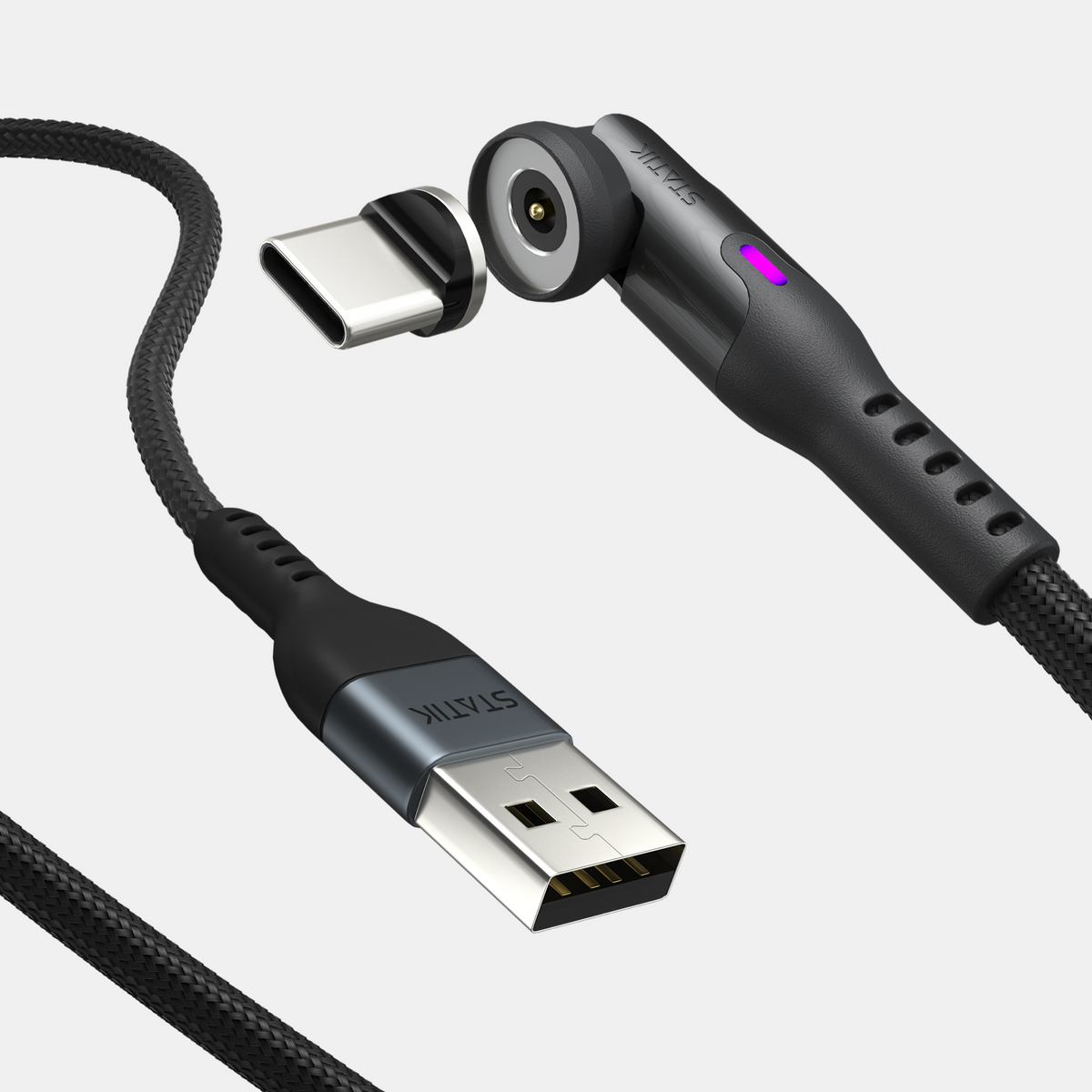
This is different from a magnetic charging cable, which uses a small magnetic tip that stays in your phone's charging port . The cable snaps onto that tip, creating a wired connection. A magnetic wireless charger has no physical contact with the port at all. It transfers power through electromagnetic induction, with no metal-to-metal connection required . Both approaches reduce port wear, but they work differently and suit different situations.
How Does a Magnetic Wireless Charger Work?
Wireless charging works through electromagnetic induction. A coil inside the charger creates a magnetic field that changes direction fast. A receiver coil inside your phone picks up that field and converts it back into electrical current to charge the battery . The two coils must be within a few millimeters of each other and properly aligned. Misalignment is the most common cause of slow or failed wireless charging.
Qi, Qi2 and MagSafe Explained
Three wireless charging standards matter for phones sold today. Qi is the original standard, developed by the Wireless Power Consortium. It works with most wireless-capable phones but requires manual alignment and typically delivers 5–10W in real-world use . Qi2 is the newer standard released in 2023. It adds a standardized magnetic ring, similar to Apple's MagSafe design, so Qi2 chargers snap into alignment automatically. Qi2 supports up to 15W charging across any certified device . MagSafe is Apple's proprietary system, introduced with iPhone 12. It uses 36 magnets arranged in a ring and delivers up to 15W but it only works with Apple devices .
Why Magnetic Alignment Improves Charging
When coils are misaligned, charging slows down and excess heat builds up. Heat is the main factor that can shorten battery lifespan over time . Magnetic alignment eliminates the guesswork, so the charger always delivers its maximum rated speed. For iPhone users, a Qi2 charger delivers the same 15W as a genuine MagSafe charger . For Android users, a growing number of Qi2-certified phones, including recent Samsung and Google models, get the same magnetic snap and fast charging .
Magnetic Wireless Charger vs. Magnetic Charging Cable
These two options serve different purposes and both have a place in a well-rounded charging setup.
A magnetic wireless charger works best when convenience matters more than speed. It is ideal for a nightstand, desk, or car mount where you pick up and put down your phone frequently. It also keeps your charging port completely untouched, which eliminates port wear entirely.
A magnetic charger cable wins when you need faster charging, want to use your phone while it charges, or need to charge a device which doesn’t support wireless charging. A magnetic cable can deliver up to 100W, which is enough to charge laptops, while wireless charging maxes out at 15–25W . Magnetic cables also support data transfer, which wireless charging doesn’t.
- Choose a magnetic wireless charger if: you charge overnight, use your phone at a desk, or want a cable-free setup.
- Choose a magnetic cable if: you need fast charging, want to use your phone while gaming or streaming, or need to charge multiple device types with one cord.
How to Choose the Right Magnetic Wireless Charger
The right charger depends on four factors: wattage, compatibility, magnet strength and safety. Match each to your phone and daily routine.
Check Wattage and Real Charging Speed
Wattage decides how fast your phone charges wirelessly. Standard Qi chargers typically deliver 5–7.5W. Qi2 and MagSafe chargers deliver up to 15W . Newer Qi2 25W chargers can deliver up to 25W for compatible devices . Real-world speed is often lower than the advertised number because some energy is lost as heat. For most users, 15W is plenty for overnight charging and daily top-ups. If you want the fastest possible wireless charging, look for Qi2 25W certification, but confirm your phone supports it first.
Confirm Device Compatibility
iPhone 12 and later work with both MagSafe and Qi2 chargers at 15W . Older Qi-only iPhones will still charge on a Qi2 pad, but without magnetic alignment and at slower speeds. For Android phones, compatibility depends on the specific model. Many recent Samsung Galaxy and Google Pixel devices support Qi2 charging . Some Android phones require a magnetic case to enable the snap-on alignment, even if they support wireless charging . Check your phone's specifications or look for a Qi2 certification logo.
Judge Magnet Strength and Alignment
Stronger magnets hold your phone more securely, especially in a car mount or on an angled stand. A weak magnet lets the phone slip out of alignment, which slows charging and generates heat . Qi2 chargers use a standardized magnet ring, so the holding force is consistent across certified products. If you use a thick case, confirm that the magnet can still hold through the case. For Android phones without built-in magnets, a Qi2-compatible case adds the magnetic ring so you get the snap-on experience.
Look for Safety and Build Quality
A quality magnetic wireless charger includes protection against overheating, overcurrent and short circuits . Foreign object detection stops charging if it detects metal objects like coins or keys on the pad . Look for chargers made with quality materials like aluminum and tempered glass, not cheap plastic that can warp over time. A warranty is a good sign that the manufacturer stands behind the product.
Types of Magnetic Wireless Chargers to Consider
Magnetic wireless chargers come in several form factors, each suited to a different use case. Choose the one which fits your daily routine.
Single Pads and Stands
A single pad or stand is the most common type. Pads lie flat and work well on a nightstand. Stands hold your phone upright, which is better for desks where you want to see notifications or take video calls . Stands also make it easier to pick up and put down your phone throughout the day.
Multi-Device Charging Stations
If you own multiple devices, a 3-in-1 station charges your phone, wireless earbuds and smartwatch at the same time. These stations reduce cable clutter and create a single charging spot for everything. They are popular for nightstands and home offices where organization matters as much as charging speed.
Portable and Travel Magnetic Chargers
A magnetic wireless power bank combines a battery with a magnetic charging pad. You attach it to the back of your phone and get a cable-free battery boost on the go . These are great for travel, commuting, or long days away from an outlet. Look for Qi2-certified models for the fastest wireless charging, or choose a model which also includes a USB-C port for wired backup.
Safety Features That Matter Most
A magnetic wireless charger is safe for your phone when it includes the right protections. Here is what to look for and why it matters.
Overheat and Overcurrent Protection
Wireless charging generates heat as a natural byproduct of electromagnetic induction. A quality charger monitors temperature and adjusts power output to prevent overheating . Overcurrent protection stops the charger from sending too much power, which could damage your battery. These systems work automatically, so you do not need to think about them.
Foreign Object Detection and Certified Magnets
Foreign object detection stops charging if it detects metal objects on the pad . This prevents heat buildup and protects both the charger and your phone. Certified magnets, whether Qi2 or MagSafe, are made with materials that do not interfere with your phone's internal components or credit cards in your wallet case.
The main point is that the magnetic mechanism itself doesn’t harm your battery. The safety of a charger depends on the quality of its components and certifications, not on the presence of magnets .
Magnetic Wireless Charger Buying Checklist
This table sums up the main factors to consider when choosing a magnetic wireless charger.
| Factor | What to Look For | Why It Matters | Good Benchmark |
|---|---|---|---|
| Wattage | 15W for most phones, 25W for newer Qi2 devices | Higher wattage charges faster | 15W Qi2 certified |
| Standard | Qi2 or MagSafe certification | Ensures magnetic alignment and consistent speed | Qi2 for universal compatibility |
| Magnet Strength | Strong enough for your case and use case | Prevents slipping and maintains alignment | Qi2 standard magnets |
| Device Compatibility | Check your phone model supports magnetic charging | Some phones need a magnetic case | iPhone 12+, Qi2 Android phones |
| Safety Protections | Overheat, overcurrent, foreign object detection | Protects battery and prevents accidents | Built into certified products |
| Form Factor | Pad, stand, multi-device, or portable | Matches where and how you charge | Depends on your routine |
| Warranty | 1-2 years minimum | Indicates manufacturer confidence | 2-year warranty |
Key Takeaways
- For most iPhone users, a 15W Qi2 or MagSafe charger with strong magnets and overheat protection is the right choice.
- For Android users, confirm your phone supports Qi2 or plan to buy a magnetic case for the snap-on experience.
- For mixed households, a Qi2 charger works with both iPhone and Android, making it the more universal option .
- A magnetic wireless charger and a magnetic charging cable together cover every charging situation, from fast wired top-ups to convenient cable-free overnight charging.
Magnetic Cables





FAQs About Charging iPhone and Android With One Cable
Match the charger's wattage to your phone's maximum wireless charging speed. Confirm compatibility with your phone model or add a magnetic case if needed. Look for Qi2 certification for consistent magnetic alignment. Choose a form factor that fits where you charge most often. Check for safety features like overheat protection and foreign object detection.
The best magnetic charger cable for backup use is one with swappable tips for USB-C, Lightning, and Micro-USB. This lets you use the same cable for different devices. Look for a cable with reinforced nylon braiding and a minimum of 10W charging. Pro models support up to 100W for laptops and tablets.
Yes. A quality magnetic wireless charger doesn’t harm your battery. The magnetic alignment ensures consistent charging, which reduces heat compared to a misaligned pad. Safety features like overheat protection and foreign object detection add extra protection. The key is to buy a certified charger from a reputable brand rather than an uncertified product.
It depends on the phone. Some recent Android models support Qi2 magnetic charging directly. Others support wireless charging but lack the built-in magnets for alignment. For those phones, you can add a Qi2-compatible magnetic case to get the snap-on experience . Without the case, the phone will still charge on a Qi2 pad, but without magnetic alignment and at slower speeds.
Qi2 adds magnetic alignment and standardizes fast charging at 15W across certified devices. If you charge overnight, standard Qi may be sufficient. If you value alignment, consistent speed, and the convenience of a snap-on connection, Qi2 is worth the upgrade. For mixed households with both iPhone and Android, Qi2 is the more future-proof choice.
15W is the standard for Qi2 and MagSafe and works well for most phones. If your phone supports 25W wireless charging, a Qi2 25W charger will charge faster. For Android phones without Qi2 certification, 15W is usually the maximum wireless speed available. Check your phone's specifications before buying.


